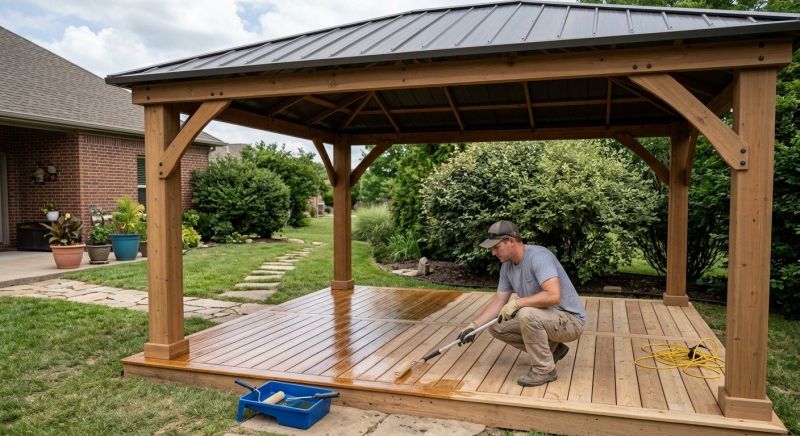
Pavilion Sealing in Seattle, WA
Pavilion sealing services involve applying a protective coating to the surface of a pavilion, pergola, or similar outdoor structure to help prevent water penetration, weather damage, and deterioration. This service is commonly requested for projects such as sealing wooden or composite pavilions, ensuring they remain durable and visually appealing over time. Property owners typically seek pavilion sealing to extend the lifespan of their outdoor structures, protect against moisture-related issues, and maintain their appearance through seasonal changes.
Before requesting pavilion sealing, property owners should consider the material of their pavilion, the current condition of the surface, and any previous treatments applied. It’s important to understand the types of sealants available and how they suit the specific material, as well as any preparation steps needed to ensure proper adhesion. Clarifying the scope of the project, including the size of the pavilion and the desired level of protection, can help determine the most suitable sealing approach.
Many property owners in Seattle, WA look into Pavilion Sealing for repairs, replacements, upgrades, and appearance-related improvements.
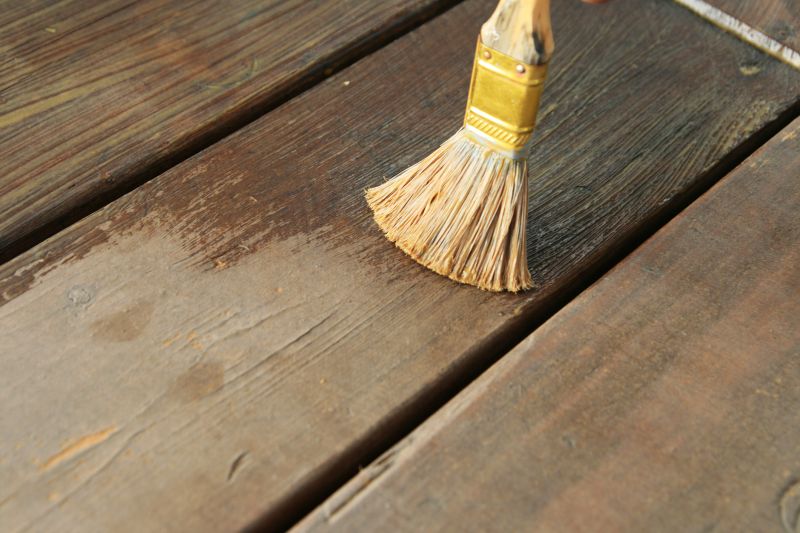
Pavilion Sealant Maintenance
Sealing helps protect pavilions from water damage and weathering.
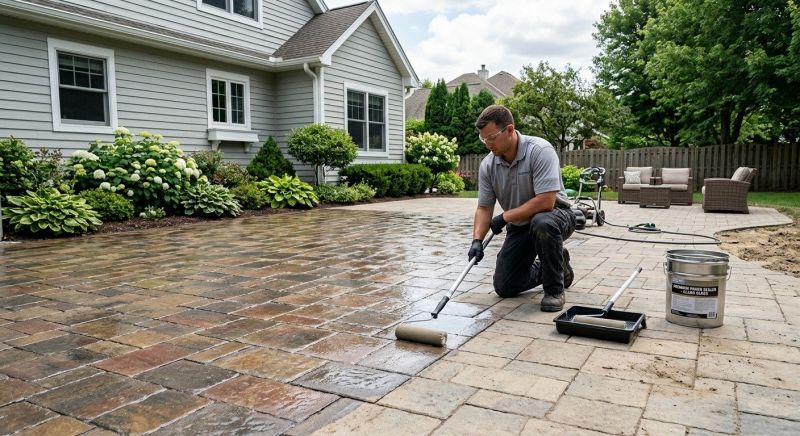
Enhancing Pavilion Durability
Proper sealing extends the lifespan of pavilion structures in outdoor settings.
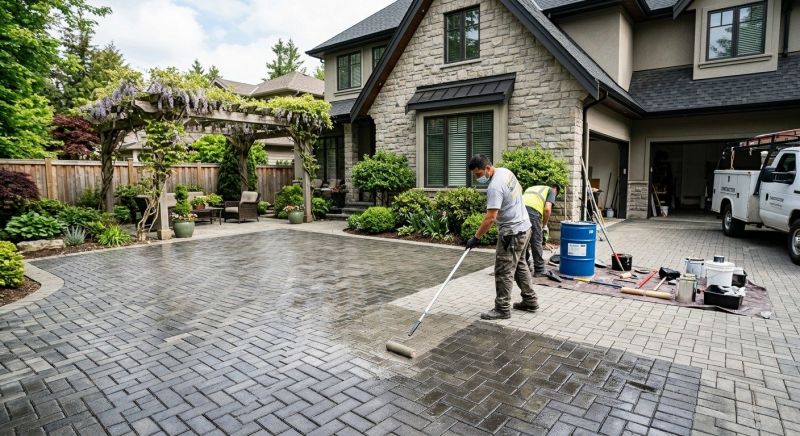
Choosing The Right Sealant
Selecting appropriate sealants ensures effective protection against moisture and decay in seattle's climate.
Pavilion Sealing in Seattle, WA
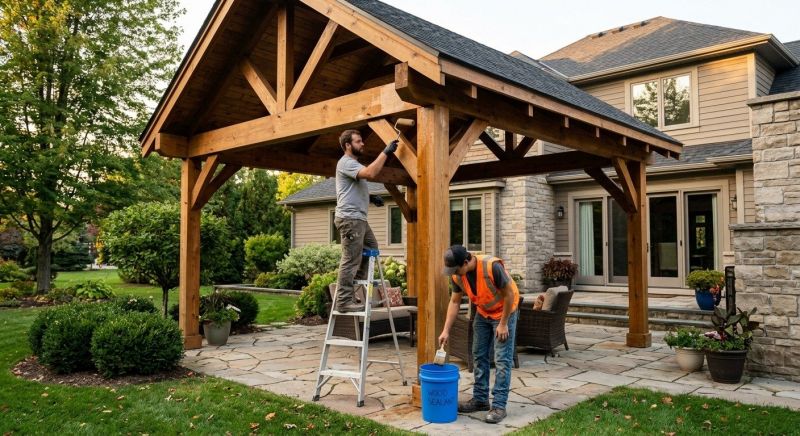
Pavilion sealing services involve applying a protective coating to the surface of a pavilion, pergola, or similar outdoor structure to help prevent water penetration, weather damage, and deterioration. This service is commonly requested for projects such as sealing wooden or composite pavilions, ensuring they remain durable and visually appealing over time. Property owners typically seek pavilion sealing to extend the lifespan of their outdoor structures, protect against moisture-related issues, and maintain their appearance through seasonal changes.
Before requesting pavilion sealing, property owners should consider the material of their pavilion, the current condition of the surface, and any previous treatments applied. It’s important to understand the types of sealants available and how they suit the specific material, as well as any preparation steps needed to ensure proper adhesion. Clarifying the scope of the project, including the size of the pavilion and the desired level of protection, can help determine the most suitable sealing approach.
Many property owners in Seattle, WA look into Pavilion Sealing for repairs, replacements, upgrades, and appearance-related improvements.
Common Pavilion Sealing Jobs
Pavilion sealing - helps prevent water infiltration and protects structural components.
Pavilion roof sealing - ensures a waterproof barrier to extend the lifespan of the roof.
Sealing around pavilion posts - reduces drafts and prevents moisture from entering the structure.
Sealing joints and seams - minimizes air leaks and enhances energy efficiency.
Pavilion surface sealing - provides a protective layer against weather damage and wear.
Waterproofing services - safeguard the pavilion against rain and snow damage over time.
Pavilion Sealing Questions
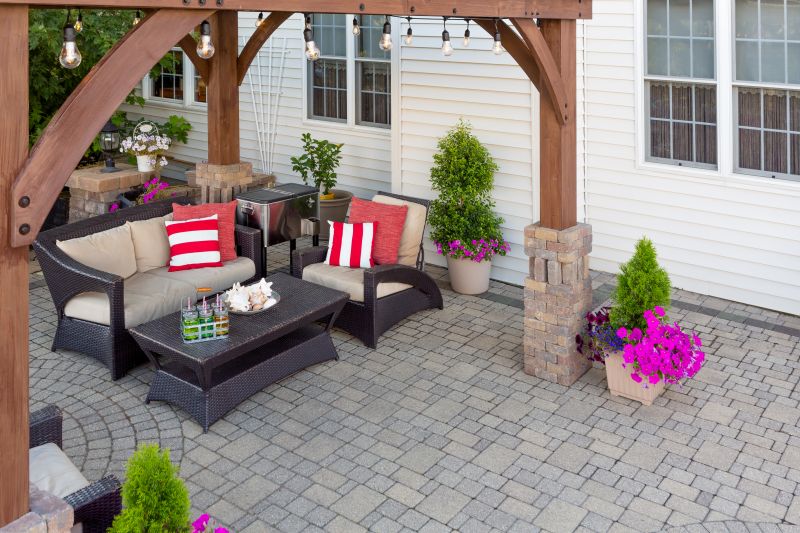
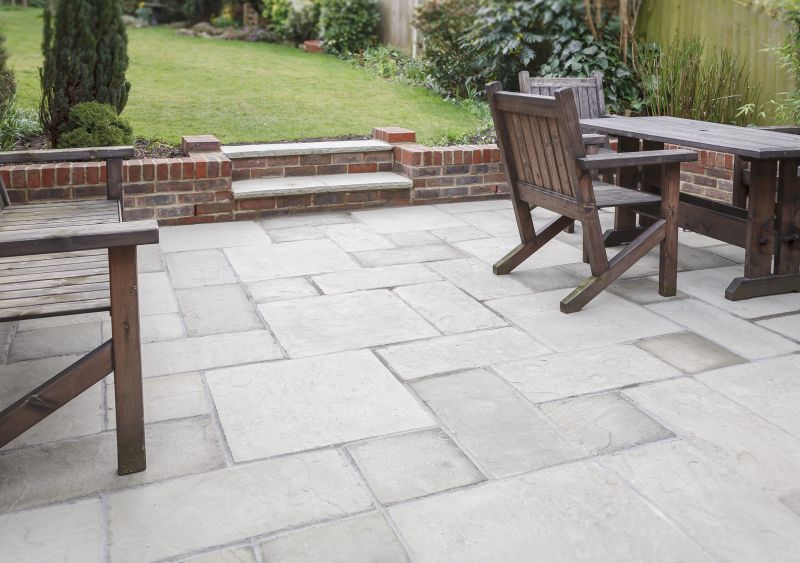
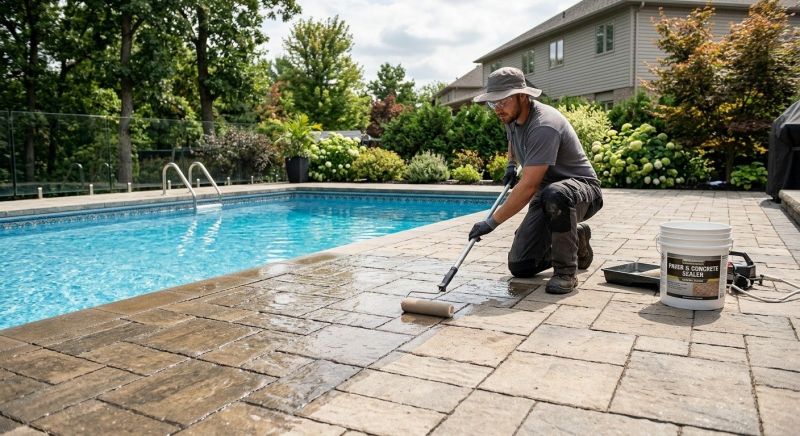
What is pavilion sealing? Pavilion sealing involves applying a protective coating to the surface to prevent water infiltration and damage.
Why should property owners consider pavilion sealing? Sealing helps extend the lifespan of the pavilion by preventing cracks, leaks, and weather-related wear.
What types of pavilions benefit from sealing? All types of outdoor pavilions, including wood, metal, and concrete structures, can benefit from sealing treatments.
How often should pavilion sealing be performed? Regular sealing, typically every few years, helps maintain protection against the elements and preserve appearance.
Request Pavilion Sealing in Seattle, WA
Use the quote form on this page to share the basics of your project and request more information for the type of work you need.